Average Reviews:

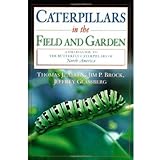
(More customer reviews)"Caterpillars in the Field and Garden: A Field Guide to the Butterfly Caterpillars of North America" fulfills the very real need for the identification of the caterpillars of butterflies and skippers from North America. While not covering much in the way of moths (they have a token few at the end of the book) this book does pretty much what the author says it will do- help you identify the caterpillars of just about any butterflies found in North America, north of Mexico. The moths (which make up ten times species as butterflies) have numerous caterpillar forms and to identify these I would recommend the guide to eastern North American caterpillars by David L. Wagner.
One nice (and important) touch are the illustrations of the adults of most butterflies.
I annually take part in the 4th of July Butterfly Count and you can be sure I'll bring a copy of this book to the next one to see if we can locate some of the caterpillars of the butterflies we spot.
This is a great guide for anyone interested in butterfly gardens (helps you identify the immature stages), amateur naturalists or just the plain curious.
Click Here to see more reviews about: Caterpillars in the Field and Garden: A Field Guide to the Butterfly Caterpillars of North America (Butterflies Through Binoculars)
Jeffrey Glassberg's acclaimed Butterflies through Binoculars guides have revolutionized the way we view butterflies. Now there's a field guide in the same practical format, and with the same emphasis on conservation, to identify caterpillars.Caterpillars are as varied, fascinating, and often as colorful as the adult butterflies they become. This is the most comprehensive guide to these creatures available. It contains all the information necessary to find and identify the caterpillars of North America--from Two-tailed Swallowtails, some of the largest butterfly caterpillars at just over two inches when fully grown, to tiny Western Pygmy-Blues. Caterpillar seekers will learn how to distinguish between butterfly caterpillars and moth caterpillars, where and how to find caterpillars, and the visual differences between young and older caterpillars. Each species section describes how to identify the caterpillar, complete with brilliant photos--many published here for the first time. To make for easy field use, each caterpillar's key physical features, abundance, habitat, and major hostplants are listed on the same page as its photo. The book also contains a special section on butterfly gardening, offering valuable information on how to set up a butterfly garden and raise healthy butterfly caterpillars, and provides a thorough list of the plants butterflies most like to feast on.From the concerned gardener who wishes not to kill caterpillars that may one day become beautiful butterflies to the serious butterflier wishing to take the hobby to the next level, this remarkable guide will provide all of the information necessary for an enriching caterpillar experience.
 Get 35% OFF

No comments:
Post a Comment